Novrantis Logo Novrantis Contact Us
Contact Us

Puzzle Contests Beyond Trivia: Speed Rounds and Brain Teasers

Competition formats are evolving. Explore logic puzzles, lateral thinking challenges, and high-speed rounds that mix traditional quiz with new gameplay.

11 min read Intermediate March 2026
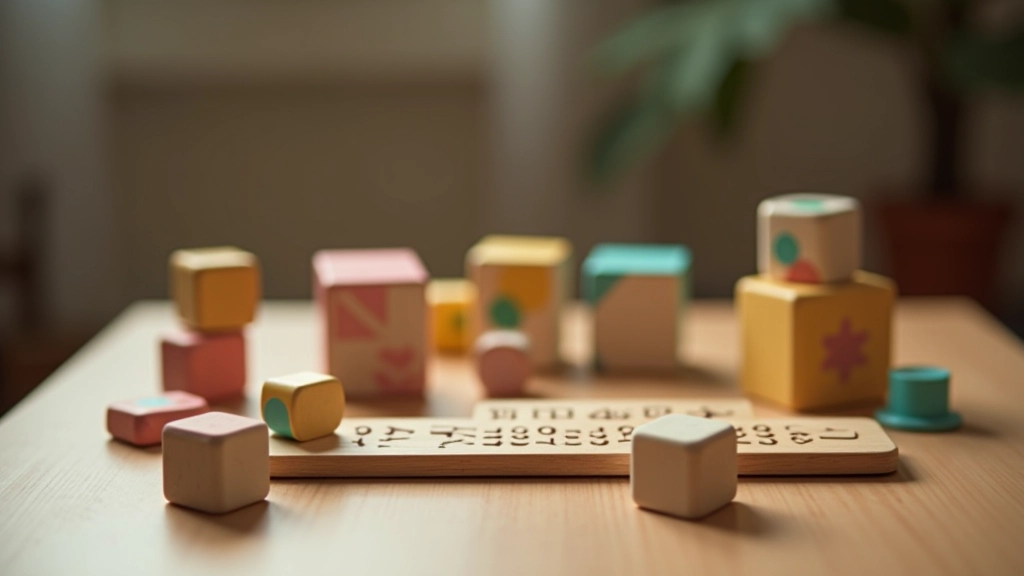
Multiple puzzle cubes and brain teaser toys arranged on table with competition scoreboard in background

The Evolution Beyond Traditional Trivia

You’ve probably sat through countless pub quizzes where the same formats repeat: multiple choice, true or false, name-that-movie. They’re fun, sure. But the puzzle contest scene in Portugal and across Europe is changing fast. Event organizers aren’t settling for standard trivia anymore—they’re blending in speed rounds, logic puzzles, and lateral thinking challenges that demand something different from participants.

What’s happening is that traditional knowledge-based trivia is mixing with competitive puzzle gameplay. The result? Events that test not just what you know, but how quickly you can think, how creatively you approach problems, and whether you can spot patterns others miss. Teams are discovering that memorizing facts only gets you so far when the puzzle format changes mid-round.

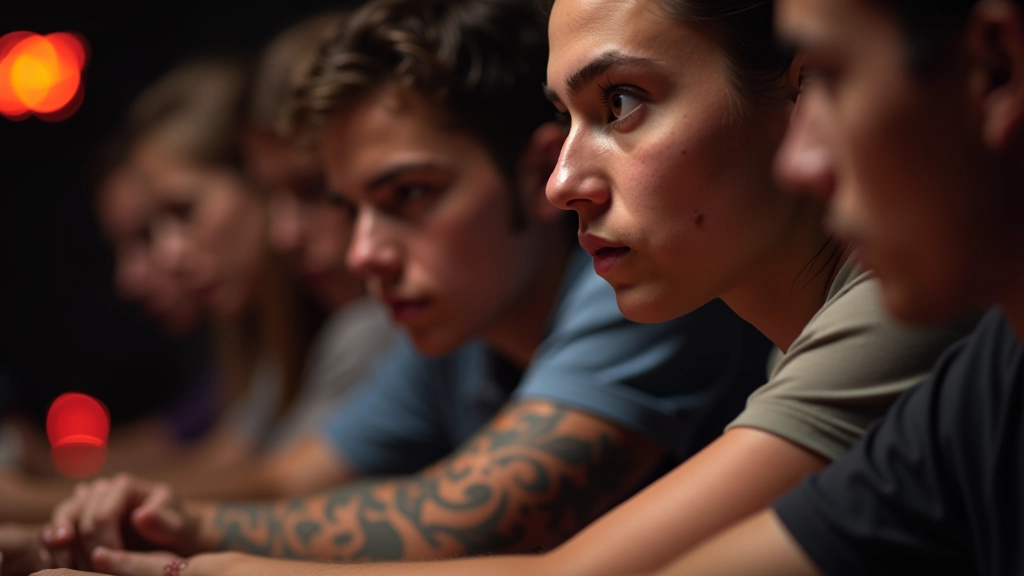
Close-up view of puzzle solving competition with participants concentrating on timed challenges

Speed Rounds: Where Reaction Meets Knowledge

Speed rounds compress the traditional quiz format into intense bursts. We’re talking 90 seconds for 10 questions. You don’t get time to debate with your team or second-guess your answer. The clock is running, and you’ve either got it or you don’t. What makes speed rounds interesting isn’t just the pressure—it’s how they fundamentally change strategy. Teams shift from deep research answers to quick pattern recognition.

In Portugal, speed round events typically use 3-5 minute segments separated by longer traditional rounds. This rhythm keeps energy high without burning participants out. The fastest teams we’ve seen aren’t necessarily the most knowledgeable—they’re the ones who practice coordinating their responses, who have practiced calling out answers without hesitation, and who’ve trained to trust their gut instinct. Most events give you 30 seconds per question in speed rounds, which sounds like plenty until you’re actually doing it.

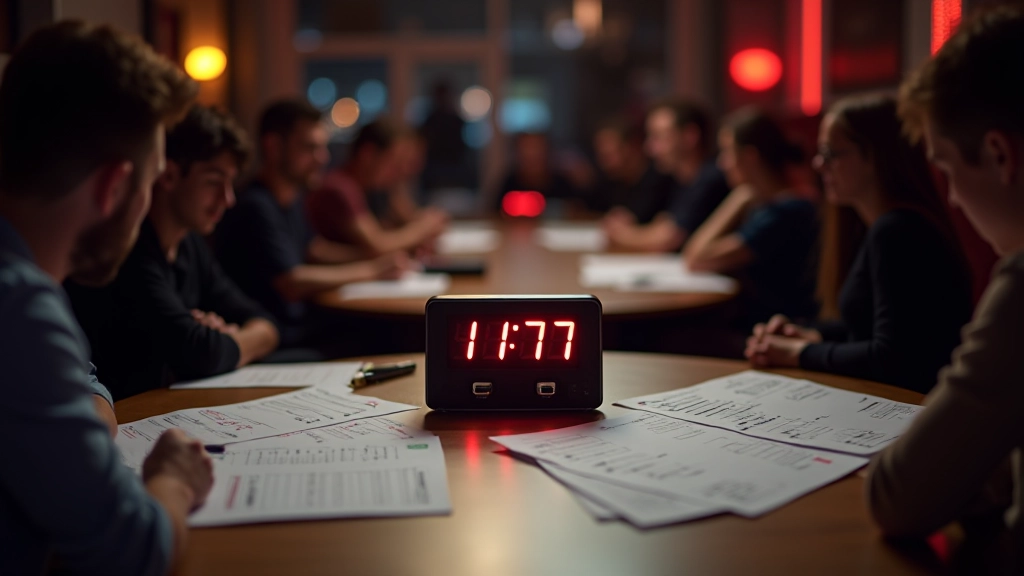
Overhead view of quiz competition with digital timer and answer sheets, multiple teams at tables
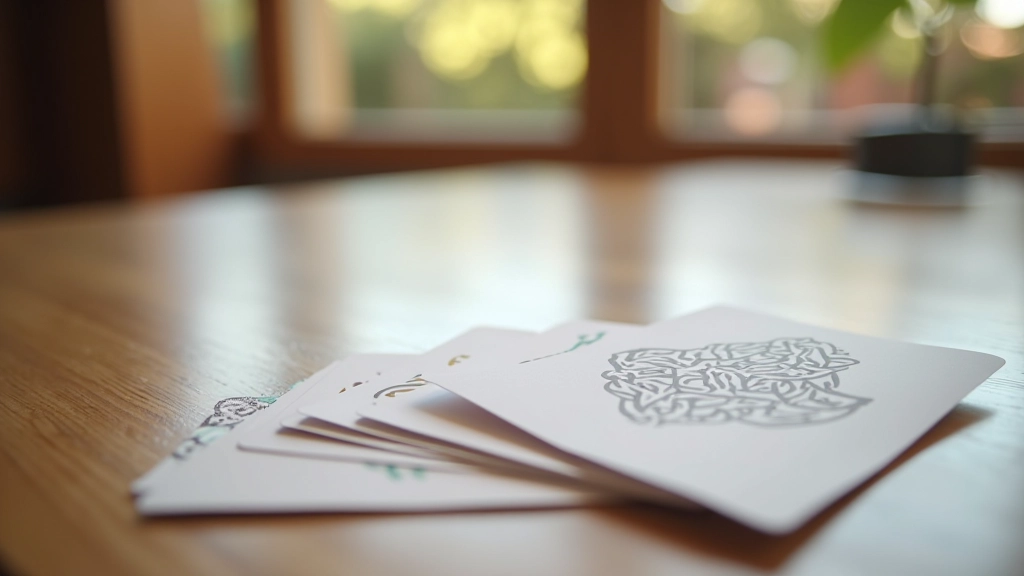
Brain teaser puzzle cards with geometric patterns and logic problems spread on wooden table

Logic Puzzles: The Systematic Approach

Logic puzzles shift the contest entirely. Instead of recalling information, you’re solving problems using deduction. The classic setup: “Alice, Bob, and Charlie each have a different job. Alice isn’t the baker. Bob sits next to the chef. Who does what?” These aren’t trivia questions—they’re puzzles that require working through variables systematically.

What’s interesting is that logic puzzles level the playing field. Someone who’s studied European capitals gets no advantage here. What matters is whether you can track information mentally, whether you’re patient enough to test each possibility, and whether you can spot when you’ve hit a contradiction. Most competitive events give teams 15-20 minutes for a logic puzzle, sometimes longer for the really complex ones with 8+ variables.

Teams that excel at logic puzzles typically have someone who thinks visually—someone who can draw out the relationships or write down possibilities systematically. They’re methodical. They don’t rush. And they’ve usually practiced these specific formats before competing.

Lateral Thinking: The Creative Challenge

Lateral thinking challenges present scenarios that seem to have no logical answer—until you think sideways about them. “A woman shoots her husband, then holds him underwater for five minutes. Shortly after, they go out to dinner. How is this possible?” The answer: She’s a photographer. She shot his picture and developed it in water. That’s lateral thinking—breaking assumptions and looking for unconventional solutions.

These puzzles are gaining popularity in puzzle contests because they’re genuinely fun and they reward creativity over memorization. They also make for better social events because the discussion afterward is always entertaining. Someone inevitably asks “Why didn’t I think of that?” and everyone laughs at the obvious-once-you-know-it answer.

What surprises most teams is that lateral thinking isn’t teachable in the traditional sense. You can’t study for it the way you’d study capital cities. What you can do is practice seeing problems differently, questioning your assumptions, and learning that the first logical answer is often wrong. Teams that practice together develop an intuition for how these puzzles work.

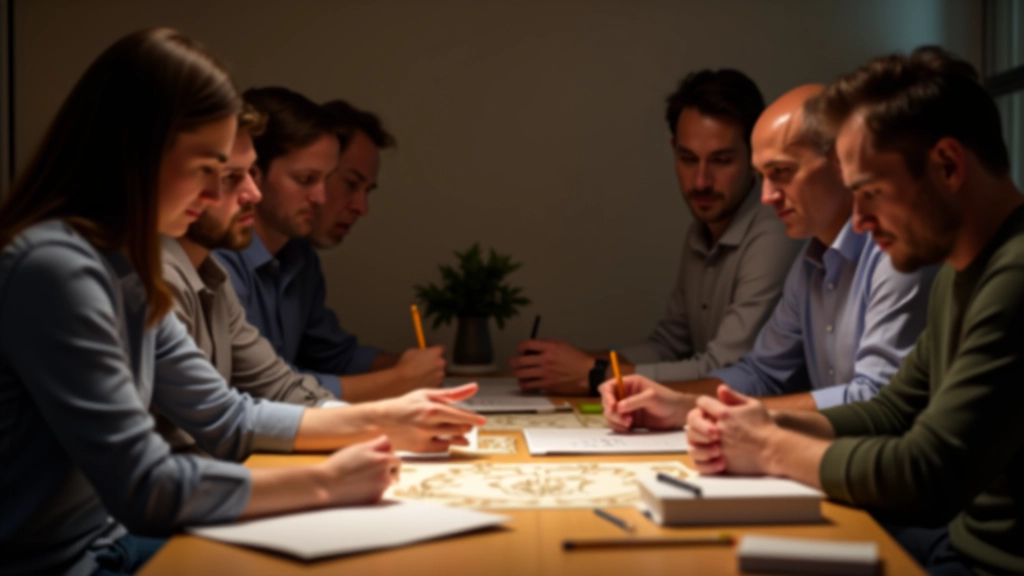
Group of adults collaborating on puzzle solving exercise with thoughtful expressions and notes

Hybrid Formats: Mixing It All Together

The smartest event organizers aren’t choosing between formats—they’re combining them. A typical modern competition might run: 20 minutes of traditional trivia, 5 minutes of speed rounds, 15 minutes for a logic puzzle, 10 minutes of lateral thinking challenges, then a final 3-minute speed round tiebreaker.

Pacing Strategy

Mixing formats keeps participants engaged because they’re not doing the same thing for 2 hours straight. Energy levels stay up. Teams that would get bored in a traditional quiz stay sharp because the format keeps changing.

Skill Balance

Hybrid formats reward different strengths. One round favors the team with broad knowledge. Another favors creative thinking. A third rewards systematic problem-solving. No single type of team dominates completely.

Scoring Flexibility

Organizers can weight rounds differently. Speed rounds might be worth 10 points per correct answer, while a complex logic puzzle might be 50 points for full completion, creating interesting strategic considerations.

Preparing for Mixed-Format Competitions

Teams that consistently win these events don’t just have broad knowledge—they’ve trained specifically for format changes. Here’s what actually works: First, establish clear roles within your team. Assign someone to be the speed-round caller—the person who shouts answers without hesitation. Assign someone else to lead the logic puzzle section. Have a creative thinker who takes the lateral thinking challenges. This isn’t rigid; it’s about knowing who thinks best under which conditions.

Second, practice the actual formats under time pressure. Don’t just think through logic puzzles—solve them while someone’s timing you. Don’t just know trivia facts—practice recalling them in rapid-fire succession. Most amateur teams skip this step. They’ll study facts but never practice actually competing. That’s where winning teams differ.

Third, develop a decision-making framework for uncertainty. In speed rounds, you won’t always know the answer. How quickly can your team decide whether to guess or skip? Most events give you more points for correct answers than for blanks, so the math often favors educated guessing. Teams that’ve practiced this call quickly win more points.

Team strategy session during puzzle competition with scoreboard and notes visible

The Future of Competitive Puzzling

What’s happening in the puzzle contest world right now is genuinely exciting. We’re moving away from formats where the person with the best memory wins, toward competitions that actually reward different kinds of thinking. Speed rounds test reaction and pattern recognition. Logic puzzles test systematic reasoning. Lateral thinking tests creativity. A well-designed event rewards all three.

If you’re thinking about entering a puzzle contest—whether it’s a pub quiz with a puzzle round or a dedicated puzzle competition—don’t just study facts. Practice under pressure. Work as a team. Learn what format plays to your strengths. And remember that the events you’ll find in Portugal and across Europe aren’t just testing what you know anymore. They’re testing how you think, how you collaborate, and how creatively you approach problems when the clock is running.

The best part? These new formats make competitions more fun for everyone. Seasoned trivia competitors find fresh challenges. New participants discover they’re better at lateral thinking than traditional trivia. Everyone leaves having experienced something different from a standard quiz night. That’s where the puzzle contest evolution is heading.

Disclaimer

This article provides information about puzzle contest formats and competitive trivia for educational purposes. The strategies, formats, and approaches described reflect common practices in puzzle competitions across Portugal and Europe, based on observational experience and participant feedback. Individual competition rules, formats, and scoring may vary significantly between events. Always review specific event rules before participating. We don’t guarantee that these strategies will lead to winning or specific results—competition outcomes depend on numerous factors including team composition, preparation level, and specific event design. This content is intended to help you understand and prepare for puzzle competitions, not to provide guarantees of success.