
Building Your Knowledge Base for General Knowledge Challenges
You don’t need to memorize everything. Learn practical methods for studying history, geography, pop culture, and science that actually stick.
Why Knowledge Base Building Matters
Trivia nights aren’t about being a human encyclopedia. They’re about having enough foundational knowledge across different topics so you can connect dots, make educated guesses, and contribute to your team’s success. Most people who do well at pub quizzes aren’t geniuses — they’ve just built organized knowledge systems that make recall faster and easier.
The good news? You can build this skill. It’s not magic. It’s strategy. We’re talking about creating mental filing systems that stick with you, not cramming random facts the night before competition. When you study with intention, things actually stay in your brain.

Three Study Methods That Actually Work
Different topics need different approaches. Here’s what research shows sticks longest.
The Connection Method for History
Don’t memorize dates in isolation. Instead, link events together — understand the causes and consequences. When you learn that the Industrial Revolution happened between 1760-1840, you’re really understanding how textile factories changed society, which then affected politics, which led to labor movements. One timeline. Connected story.
At quiz night, you’ll remember “factories led to city growth” better than you’ll remember “1775.” And often that’s enough to get the right answer, especially in multiple-choice rounds.

The Spatial Method for Geography
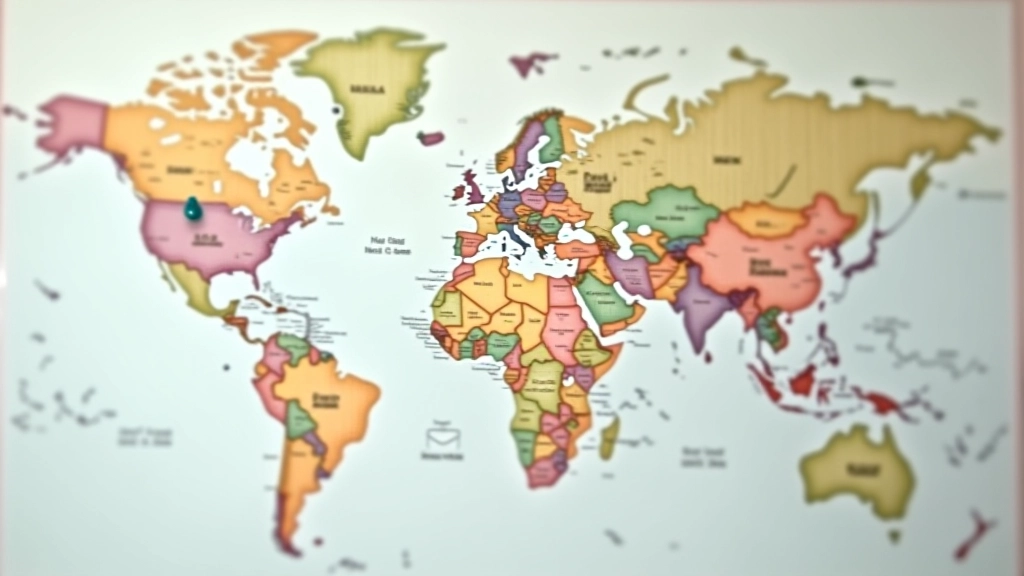
Your brain is wired to remember places. So use maps. Constantly. When you’re learning about Portugal’s regions, don’t just read “Algarve is in the south” — actually look at a map, find it, say it out loud, trace the border. Your visual memory is stronger than your reading memory.
This works for capitals, rivers, mountain ranges, everything geography. Within 2-3 weeks of spending 10 minutes daily with a map, you’ll remember countries and their features far better than someone who read about them once. It’s how your brain stores location data.
The Current Events Method for Pop Culture
Pop culture changes constantly. That’s actually an advantage. Instead of trying to memorize Oscar winners from 1985, follow current entertainment news — what’s trending, what’s new, what people are actually watching right now. Read entertainment sites 3-4 times weekly. Watch award shows. You’ll naturally absorb recent releases, hit films, celebrity facts.
Trivia hosts love recent content because it’s fresh and interesting. You don’t need 20 years of film history memorized — you need to know what’s happened in the last 2-3 years. That’s totally manageable with just scrolling entertainment news while you have your morning coffee.

Building Science Knowledge (It’s Less Scary Than You Think)
Science shows up everywhere at trivia — biology, physics, chemistry, astronomy. You don’t need a lab coat.
Here’s what most trivia hosts actually test: basic concepts and famous discoveries. Not complex formulas. You won’t get asked to calculate molecular weight. You’ll get asked “What element has the symbol Au?” (Gold) or “Which scientist discovered penicillin?” (Alexander Fleming).
Start with the famous scientists and their discoveries. Marie Curie and radioactivity. Darwin and evolution. Pasteur and germ theory. These show up constantly. Then learn the basic periodic table elements — the ones everyone’s heard of. Oxygen, hydrogen, carbon, nitrogen, iron, gold, silver. That’s maybe 15-20 elements you actually need to know well.
For astronomy, know the planets in order (Mercury through Neptune — Pluto isn’t included anymore), and the brightest stars visible from Earth. It’s shorter than you’d expect. Five hours of study across these three categories gives you solid science trivia coverage.
Creating Your Practice System
Having a knowledge base is one thing. Keeping it sharp is another. Here’s how successful trivia players stay ready.
Take Practice Quizzes Weekly
Don’t just study passively. Actually answer quiz questions. Sites like Sporcle, QuizMaster, and even YouTube have hundreds of pub quiz compilations. Spend 20-30 minutes twice weekly taking practice rounds. You’ll discover what you know well and what needs work.
Track Your Weak Areas
Keep a simple spreadsheet or notebook of questions you get wrong. After 4-5 weeks, patterns emerge. Maybe you’re weak on 1980s music or European capitals. That’s gold. You now know exactly what to focus on next.
Review in Context, Not Isolation
When you get a question wrong, don’t just look up the answer. Read around it. If the question was about the Suez Canal, spend 5 minutes learning where it is, why it matters, what countries it connects. That context sticks longer than the bare fact.
“The best trivia players aren’t smarter. They’re just more organized about learning. They’ve built systems that work for them, and they stick with those systems.”
— Successful trivia team coordinator, Lisbon
A Realistic 12-Week Knowledge Building Plan
You don’t need a year. You need a solid quarter with consistent effort.
Weeks 1-4: Foundation
Pick one topic area (history, geography, or science). Spend 15 minutes daily learning fundamentals using your chosen method. Take one practice quiz weekly. You’re building basic frameworks, not memorizing details yet.
Weeks 5-8: Expansion
Add a second topic area. Now you’re studying 15 minutes on Topic 1, 15 minutes on Topic 2. Start taking practice quizzes twice weekly. You’re noticing patterns and making connections between topics.
Weeks 9-12: Refinement
Add pop culture and current events (10 minutes daily). Take practice quizzes 2-3 times weekly. Focus review time on your weak areas identified during practice. You’re now solid across multiple categories and ready for actual competition.

Start Small, Build Consistently, Win Together
You’re not aiming to be a walking encyclopedia. You’re building enough knowledge across enough categories that you can contribute meaningfully to your trivia team. That’s achievable. Most people who do this well spend 30-45 minutes daily for 8-12 weeks, then maintain with practice quizzes and current events reading.
The real win at pub quizzes isn’t getting every answer right. It’s showing up prepared, staying calm under pressure, and being the person your team can count on for solid knowledge across multiple categories. You don’t need to be the smartest person in the room. You just need to be the most prepared.
Pick your starting topic this week. Commit to the 12-week plan. You’ll be surprised how much sticks when you study with intention instead of cramming randomly. That’s when trivia nights stop being stressful and start being genuinely fun.
Related Articles


Disclaimer
This article provides educational guidance on study methods and knowledge-building strategies for general trivia participation. Individual learning experiences vary based on personal learning styles, background knowledge, and time commitment. The timeline and methods described represent common approaches but aren’t guarantees of specific outcomes. Trivia competition results depend on numerous factors including team composition, question selection, and competitive circumstances beyond any individual’s control. Information about trivia formats and competitions reflects practices common in Portugal as of March 2026 and may vary by venue and event organizer.