Logic Puzzles: The Systematic Approach
Logic puzzles shift the contest entirely. Instead of recalling information, you’re solving problems using deduction. The classic setup: “Alice, Bob, and Charlie each have a different job. Alice isn’t the baker. Bob sits next to the chef. Who does what?” These aren’t trivia questions—they’re puzzles that require working through variables systematically.
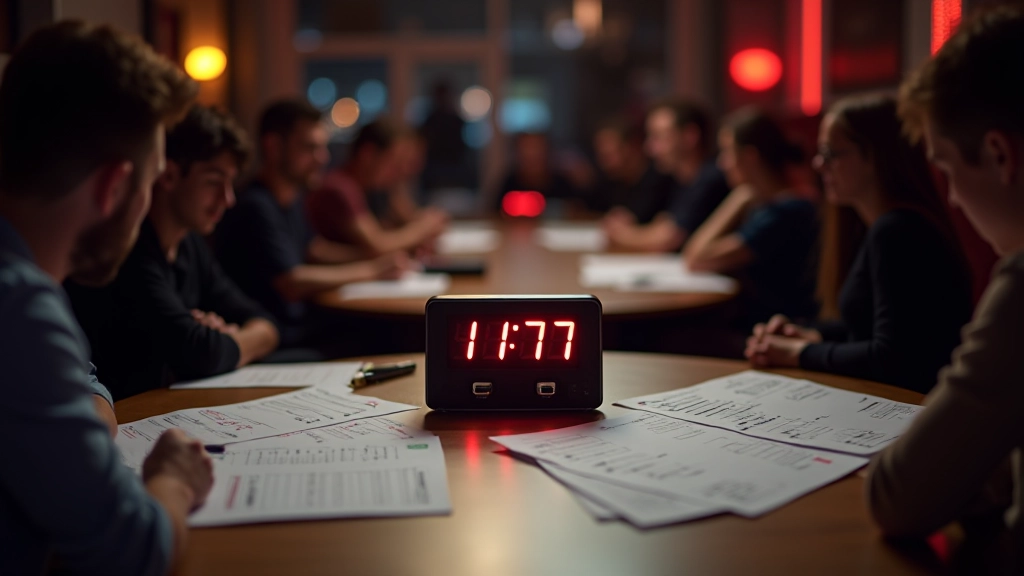
What’s interesting is that logic puzzles level the playing field. Someone who’s studied European capitals gets no advantage here. What matters is whether you can track information mentally, whether you’re patient enough to test each possibility, and whether you can spot when you’ve hit a contradiction. Most competitive events give teams 15-20 minutes for a logic puzzle, sometimes longer for the really complex ones with 8+ variables.
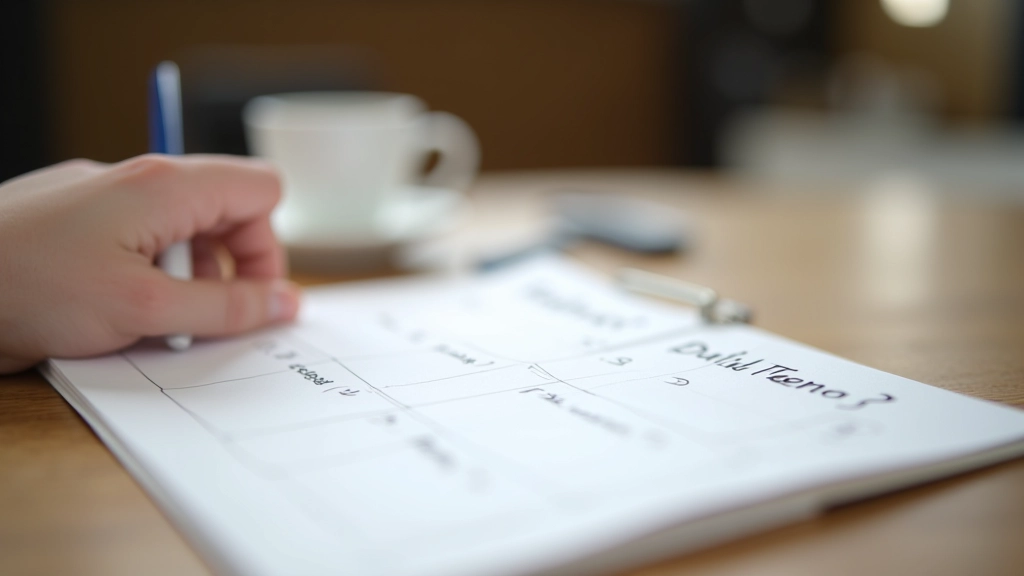
Teams that excel at logic puzzles typically have someone who thinks visually—someone who can draw out the relationships or write down possibilities systematically. They’re methodical. They don’t rush. And they’ve usually practiced these specific formats before competing.