

Winning Strategies for Pub Quiz Tournaments
Master team dynamics, answer selection tactics, and the confidence it takes to ring in at the right moment.
Read MoreFrom decades-specific nights to movie marathons, themed trivia brings a different energy. Here’s what makes them work and how to prepare.

Regular trivia is fun. But themed trivia? That’s a whole different atmosphere. When you add a costume element, a specific era, or a movie universe to the mix, something shifts in the room. People come more prepared. They’re more invested. And honestly, they have more fun getting ready.
It’s not just about the questions changing. The energy changes. Teams start strategizing around the theme. Someone always shows up with a ridiculous outfit that gets a laugh before the first question’s even read. The winners feel like they’ve actually accomplished something specific, not just answered trivia faster than everyone else.

Here’s the thing about hosting themed trivia — you don’t need to overcomplicate it. Start with three decisions: the theme, the scope of questions, and your venue rules.
Pick something specific enough to be clear, broad enough to include people who don’t know the details. “1990s pop culture” works better than “obscure 1997 releases.” “Harry Potter universe” works better than “wizard lore from chapters 5-8 only.”
You’ll want a mix of difficulty levels. Some questions everyone at that decade/movie/era can answer. Some that require actual expertise. That balance keeps casual players engaged while rewarding people who came prepared. Three weeks before the event is ideal for announcing the theme. Gives people time to brush up, find a costume, get genuinely excited.


Hosting isn’t about knowing everything. It’s about keeping the pace steady and the energy up. You’re running the questions, tracking scores, and making judgment calls when teams dispute an answer. That last part matters more than people think.
Have a clear system ready. Are you accepting partial credit for “close enough” answers? How specific does a location need to be? If a team says “the wizard guy” for a Harry Potter question, is that acceptable or not? Decide this beforehand. Nothing kills momentum like arguing for three minutes about whether an answer counts.
The themed element gives you permission to be playful. You’re not just reading questions — you’re embodying the theme a little. It doesn’t need to be embarrassing. A simple comment like “That’s a 2003 answer if I’ve ever heard one” gets a laugh. Small moments like that make the evening memorable.
If you’re playing, not hosting, your prep matters. You’ll want to approach themed trivia differently than regular pub quiz. The theme narrows what you need to know, which actually works in your favor.
Don’t try to become an expert in everything. Focus on the gaps in your knowledge. You probably know 70% of 1980s trivia already. Spend time on the 30% you’re fuzzy about — technology, politics, less famous movies.
Different themes require different expertise. For a music decade, you want someone with actual music knowledge. For a film theme, get someone who’s actually watched those movies. Distribute knowledge across your team, not just brainpower.
You don’t need an elaborate outfit. But showing up in theme signals you’re taking it seriously. It actually helps your team mentally — you feel more committed when you’ve made the effort.

These themes have proven track records. People come prepared, costumes happen naturally, and the questions flow easily.
The most reliable format. People have genuine memories or strong pop culture connections. Questions span music, film, TV, fashion, news. Easy for beginners, rewarding for experts. Costumes practically dress themselves.
Focused but deep. Fans show up ready. Questions can range from “who said this line?” to detailed character history. The costume element practically enforces itself. Keep one round for casual fans, one for true enthusiasts.
Highly specific but very enthusiastic audiences. Questions work well in rounds: song lyrics, album covers, chart history, artist facts. People dress confidently. The passion makes the energy excellent.
Slightly tougher but memorable. History buffs love these. Questions cover culture, politics, daily life, significant events. Costume creativity tends to be higher. Works best with educated audiences or mixed difficulty levels.
You’ve picked your theme. You’ve prepared questions. You’ve got costumes sorted. Now comes the actual event, and that’s where timing and energy management matter.
Start by giving people 10-15 minutes to arrive, grab drinks, and admire each other’s costumes. That’s not wasted time — that’s when the theme really sinks in. Then do a quick house rules explanation. Make sure everyone understands how answers will be judged and what the evening structure looks like.
Structure your rounds strategically. Mix difficulty levels. If you do four rounds, maybe round two is hardest (people are warmed up), round three is easier (people need a win), round four is medium-hard (finish strong). Include one visual round if you can — photos, logos, album covers. Breaks up the listening/thinking and rewards different knowledge types.
Keep the whole thing to about two hours maximum. Any longer and fatigue sets in. Energy peaks around 90 minutes if you’re pacing well. Save the scorekeeping drama for the final round — announce winners with genuine celebration. Make it feel like an achievement.
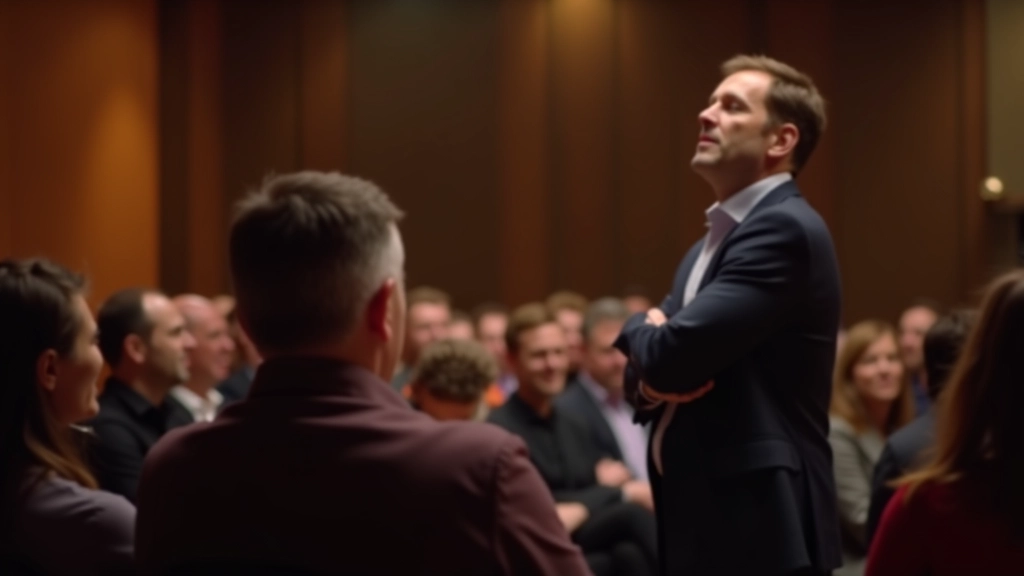
Themed trivia evenings aren’t just a twist on regular pub quiz. They’re an invitation for people to engage more deeply. When you add a theme, you’re saying “this night has a focus, a personality.” People respond to that. They prepare better, they dress up, they bring genuine enthusiasm instead of just showing up.
Whether you’re hosting or participating, the theme is your tool for creating an actual event, not just another trivia night. It’s the difference between “I went to trivia” and “remember that 1990s night? That was brilliant.” The structure matters. The pacing matters. But the theme — that’s what makes people actually care.
Ready to host your first themed night? Start small. Pick a theme you genuinely like. Prepare solid questions. And let the energy of the room take it from there.

This article provides educational information and practical guidance about hosting and participating in themed trivia evenings. The suggestions and strategies shared are based on common practices within trivia communities. Individual experiences may vary depending on venue, audience, and specific theme choices. Always ensure events comply with local regulations and venue policies.